


Microbial re‑inoculation
Re‑inoculation means reintroducing beneficial microorganisms when the soil ecosystem is depleted or unstable, to restore principal functions (competition, breakdown, resilience).
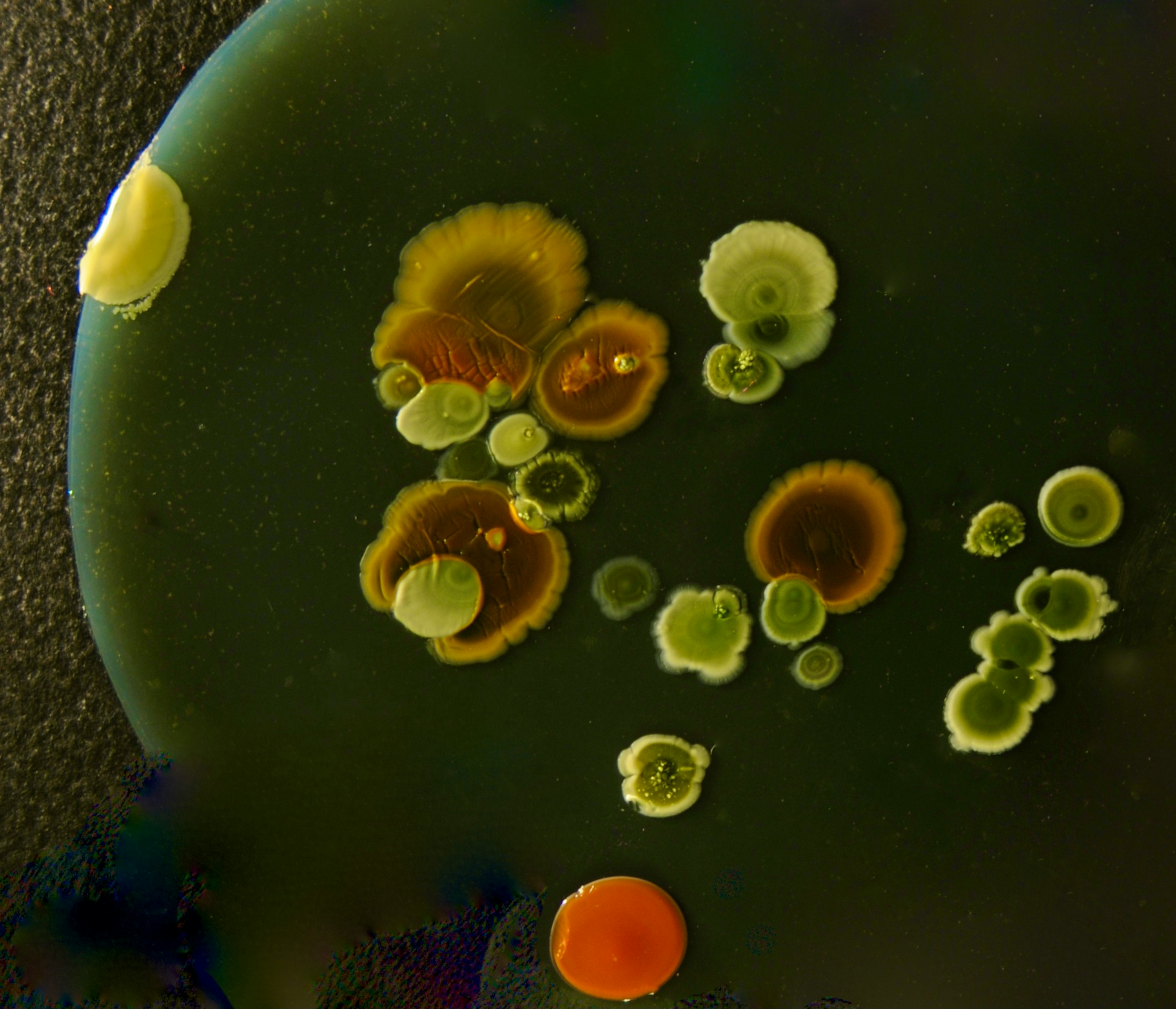
Why re‑inoculate?
Greens are an extreme environment: sand, low organic matter, stress and frequent interventions. Useful functions can decline, opening space for opportunists.
Re‑inoculation aims to accelerate the return to a more stable trajectory.
- Goal: stability over time, not a one‑off “quick fix”.
Bacteria vs fungi: complementary roles
Bacteria can establish quickly, occupy niches and produce metabolites. Fungi (including Trichoderma) bring enzymes, networks and different antagonisms.
Depending on context, we may start with a bacterial foundation and then install a fungal component.
- Sequencing applications supports reduce direct competition between inoculants.
Compatibility with biocontrol and practices
We design the program around field constraints: weather windows, irrigation, nutrition, product constraints and disease calendar.
Some combinations can reduce inoculant survival (e.g., too tight intervals, incompatible products). We account for that.
- We prioritize coherent application windows (a receptive soil).
- We monitor establishment with indicators and field feedback.
What to expect (and not to expect)
A microbiome does not “repair” in 48 hours. Effects are often progressive: better stress tolerance, fewer extreme swings, faster recovery.
Results also depend on cultural practices: microbes don’t replace agronomy, they reinforce it.
- Expect: improved trajectory over weeks/months.
- Do not expect: a structural issue solved without cultural actions.